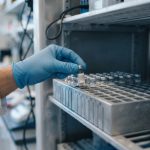
Lyophilized peptides are peptides that have been freeze-dried to remove moisture, which stabilizes the peptide chain and slows chemical breakdown while in storage. This freeze-drying process is why proper handling matters so much: once moisture or heat re-enters the picture, degradation can begin quickly, even if the vial looks unaffected on the outside.
Researchers and labs sourcing Lyophilized Peptides typically receive them in sealed glass vials designed to keep the contents isolated from air and ambient humidity until they are ready for use. Vial-based packaging is a common industry standard because it limits surface area exposure and makes temperature-controlled storage more consistent across batches. Understanding how these vials should be stored, transported, and opened is the foundation of any responsible handling protocol.
Why Storage Conditions Matter for Peptide Stability
Peptides are chains of amino acids held together by bonds that are sensitive to heat, light, and moisture. Lyophilization removes water content specifically to interrupt the chemical reactions that cause hydrolysis and aggregation, but that protection only holds if storage conditions are maintained after drying. The National Institutes of Health notes that peptide and protein stability during storage depends heavily on controlling temperature, humidity, and exposure to light throughout the product lifecycle, which is why most peptide suppliers specify strict cold-chain or freezer conditions for unreconstituted material (NIH).
Three environmental factors drive most degradation issues:
- Temperature fluctuation – repeated warming and cooling cycles can accelerate molecular breakdown even in freeze-dried form.
- Light exposure – ultraviolet and intense ambient light can oxidize sensitive amino acid residues over time.
- Humidity intrusion – any reintroduction of moisture before reconstitution undermines the purpose of lyophilization.
Recommended Handling Practices Before Reconstitution
Before a vial is opened, the goal is to keep the freeze-dried peptide exactly as stable as it was on the day it was sealed. A few consistent habits reduce the risk of compromised material.
- Store vials at the manufacturer-recommended temperature, typically refrigerated or frozen, depending on the specific peptide.
- Keep vials in their original packaging until use to limit light and air exposure.
- Avoid repeated temperature cycling, such as moving vials between a freezer and room temperature multiple times.
- Inspect vials visually for any sign of moisture, discoloration, or seal damage before opening.
- Label and date vials upon receipt so storage duration can be tracked accurately.
Shipping conditions matter just as much as storage at the final destination. Vials that travel without adequate insulation or temperature control may arrive compromised even before they reach a lab freezer, so confirming cold-chain handling during transit is a practical first checkpoint.
Handling After Reconstitution: A Different Set of Rules
Once a lyophilized peptide is reconstituted with a diluent, it behaves like any other liquid-based biological compound and becomes far more vulnerable to degradation. This shift means storage protocols change immediately after mixing.
| Handling Stage | Typical Storage Condition | Key Risk if Mishandled |
|---|---|---|
| Lyophilized (unopened vial) | Refrigerated or frozen, protected from light | Degradation from heat/humidity exposure |
| Reconstituted (short-term use) | Refrigerated, used within a limited window | Bacterial growth, potency loss |
| Reconstituted (longer-term storage) | Frozen in small aliquots to avoid repeat thawing | Freeze-thaw cycle damage |
| In-transit (shipping) | Insulated packaging with temperature control | Thermal exposure during transport |
Because reconstituted peptides are typically intended for short-term use once mixed, many labs portion material into smaller aliquots immediately after reconstitution. This practice avoids repeated freeze-thaw cycles on the same vial, which is one of the more common causes of potency loss in peptide research settings.
Frequently Asked Questions
Does lyophilization make peptides last indefinitely? No. Freeze-drying significantly extends shelf life compared to liquid form, but lyophilized peptides still degrade over time, especially if storage temperature or light exposure is not controlled.
Can lyophilized peptides be stored at room temperature? Short-term room temperature exposure during handling is sometimes unavoidable, but extended storage outside refrigerated or frozen conditions increases degradation risk and is not recommended for most peptides.
How soon should a vial be used after reconstitution? This depends on the specific peptide and diluent used, so researchers should follow the supplier’s documentation rather than applying a universal timeline.
What is the main advantage of vial packaging over other formats? Sealed vials limit exposure to air, moisture, and light more effectively than open or loosely packaged formats, which supports more consistent stability during storage and transport.
Reliable handling starts with sourcing from a supplier that understands cold-chain packaging and vial integrity from the point of shipment onward. DRYPtides LLC focuses on vial-based peptide supply built around these storage and handling considerations, giving researchers a consistent starting point for maintaining sample stability in their own labs.